Good vs. Bad Coffee
El paladar humano tiene una tendencia natural: siempre es más fácil identificar algo exageradamente "malo" que apreciar los matices de algo excepcionalmente "bueno". Sin embargo, la tolerancia que…
The human palate has a natural tendency: it is always easier to identify something as being "bad" than it is to appreciate the nuances of something exceptionally "good." However, the tolerance we exhibit toward coffee defects is statistically anomalous when compared to other beverages.
The "Spoiled Wine" Syndrome
Let’s look at an analogy from the world of wine, where the average consumer tends to have a more developed critical baseline. Imagine being served a vinegary wine in a restaurant—a bottle that has been open for a week, a glass of white wine at 20°C, or worse, wine diluted with tap water. Your reaction would be immediate: you would send it back. You would know instinctively that it falls below the limit of acceptability.
With coffee, however, we tolerate the unacceptable daily. We have spent so many years consuming low-quality cups that we have normalized—and sometimes even sought out—characteristics that, from a technical and gastronomic standpoint, are grave defects.
Practices That Destroy Your Cup
If you want to start drinking good coffee, you must reject the following poor practices:
- Torrefacto This is the practice of roasting low-quality beans coated in burnt sugar to mask defects and extend shelf life. it imparts a flavor of ash and charcoal and is detrimental to health.
- Abrasive Temperatures: Si el barista quema la leche o extrae el espresso con agua hirviendo (por encima de 96º), destruye los aceites esenciales del grano. Es el equivalente a hervir un buen vino.
- Oxidized Grinds: If you see coffee already ground and sitting in the grinder's doser, demand that it be ground fresh. Ground coffee loses most of its aromatic compounds within minutes due to oxidation.
- Unfiltered Water: A cup of coffee is 90–98% water. Using tap water without a proper filtration system contaminates the extraction with chlorine and limescale.
The Final Verdict: The Sugar Test
Objectively good and objectively bad coffees do exist. Price is not always the differentiating factor, but the barista's technique certainly is. Both coffee and wine are "living" products subject to chemical processes, but coffee carries the added risk of being finished and "cooked" right in front of you..
Start observing the process. Seek out coffee shops that work with carefully sourced origins. When you taste a well-extracted coffee, you will notice the flavor spectrum open up, revealing acidity, natural sweetness, and an elegant bitterness. The definitive indicator that you are facing a good coffee is that, for the first time , you won't feel the need to add sugar just to make it swallowable..
Updated
Keep reading
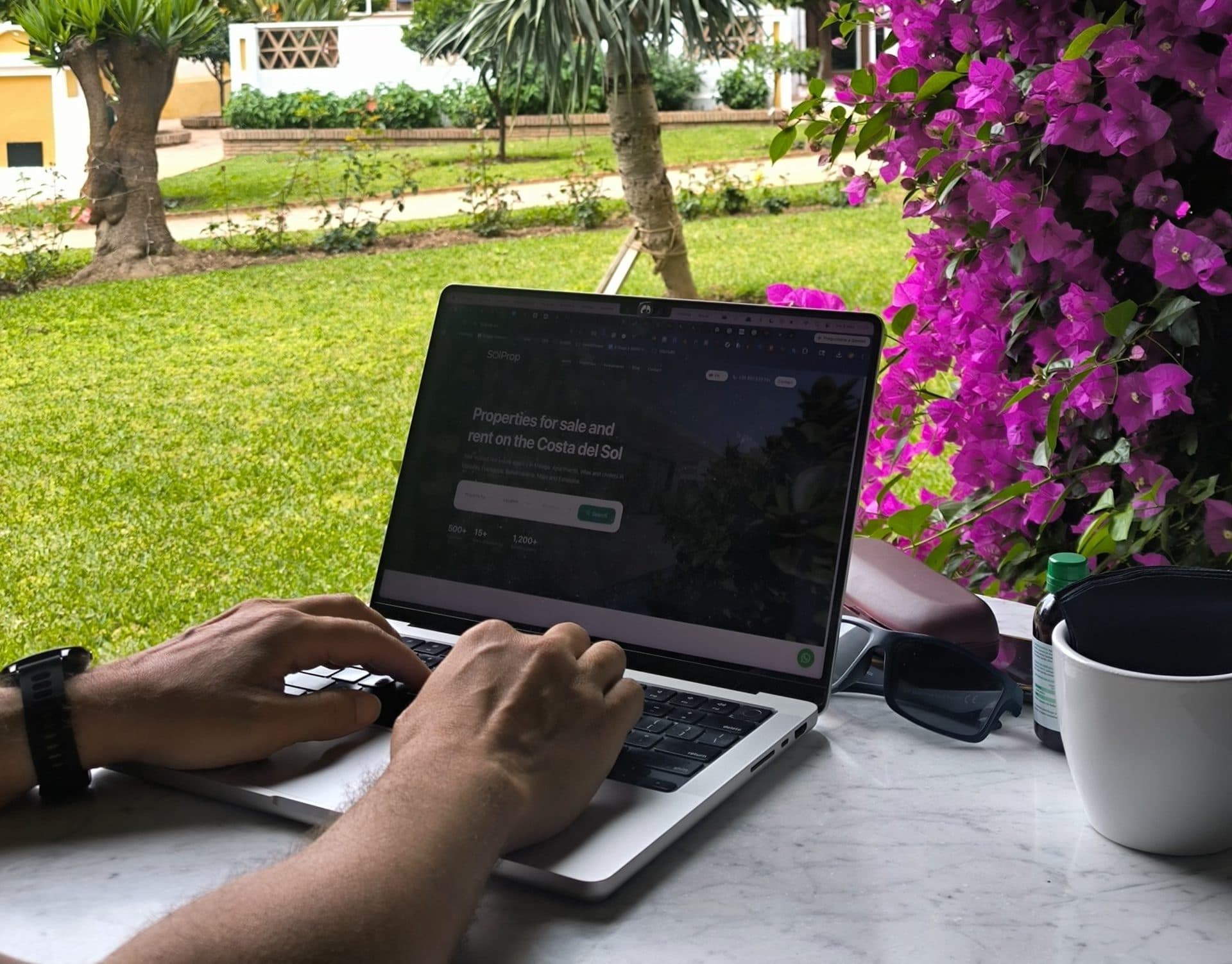
We love remote work: Why digital nomads are part of Buna?
El mito del café como una simple barra de paso quedó atrás hace tiempo. Hoy, muchas de nuestras mesas son oficinas temporales, espacios de concentración y puntos de encuentro internacional. Lejos de…
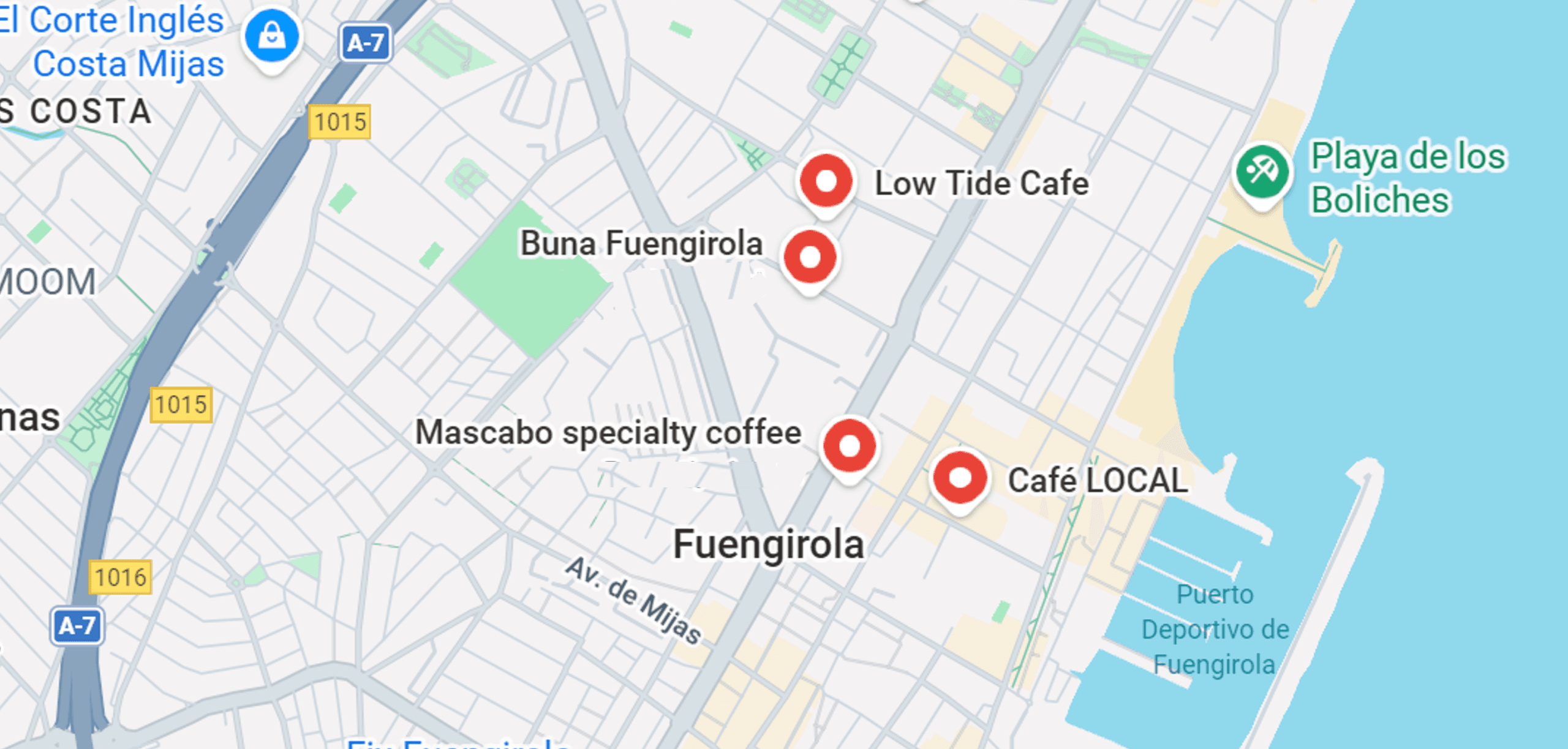
The Specialty Coffee Route in Fuengirola
Fuengirola ha vivido una transformación silenciosa. Lo que comenzó hace años con la apertura de Buna —un proyecto pionero que la pandemia obligó a pausar— ha florecido hoy en un ecosistema sólido. Al…
Why "BUNA"?
Para entender nuestro nombre, hay que viajar al origen geográfico y espiritual del café. En Etiopía y Eritrea, preparar café no es un trámite rápido para obtener cafeína; la ceremonia del café es una…